Category VPS

AI on VPS: What You Need to Know
AI on VPS

Running AI on a VPS is becoming a practical option for developers and businesses that want to experiment with self-hosted AI without maintaining their own physical server. A VPS can handle AI assistants, APIs, automation, RAG applications, and smaller language…
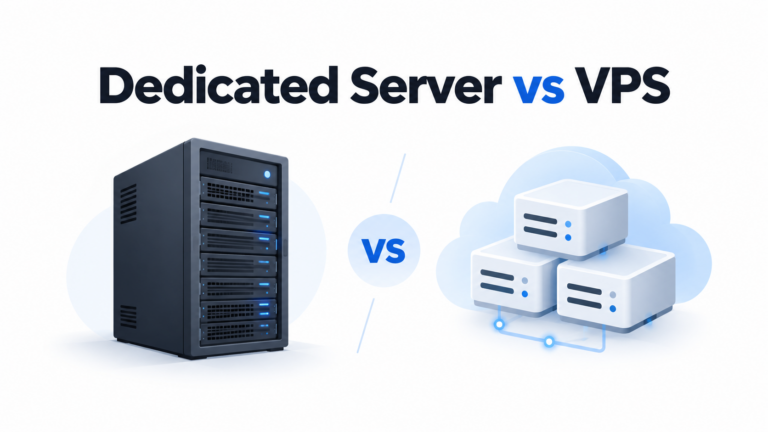
Dedicated Server vs VPS: How to Choose the Right Hosting

Dedicated Server vs VPS

Choosing between a dedicated server vs VPS depends on how much performance, control, scalability, and hardware isolation your project actually needs. A VPS offers an isolated virtual environment with allocated resources while sharing physical hardware with other virtual servers. A…

What Is KVM Virtualization and Why Does It Matter?

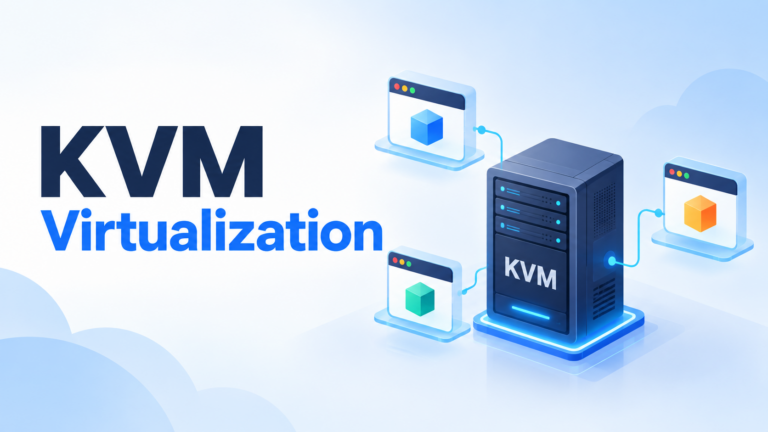
KVM Virtualization

KVM Virtualization is a technology that allows one physical server to run multiple independent virtual machines. Each virtual machine can have its own operating system, CPU resources, memory, storage, and network settings. If you have ever compared VPS hosting plans,…

What to do before and after a VPS Migration?

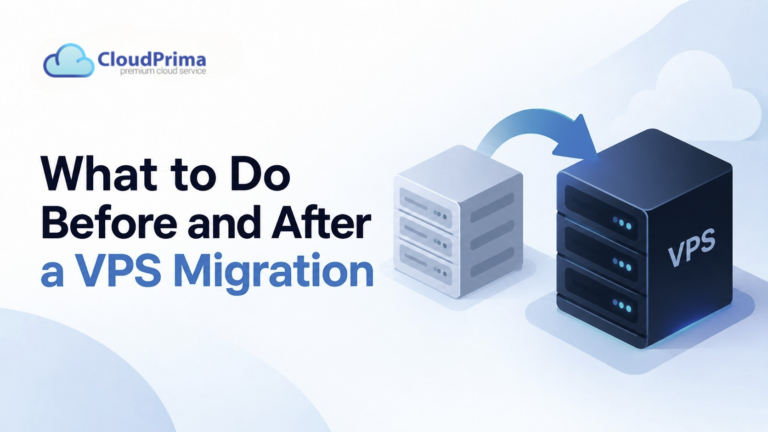
VPS migration

A VPS migration can improve performance, flexibility, and control, but moving to a new server involves much more than copying website files. DNS, databases, SSL certificates, backups, server settings, and security all need to be handled carefully. The easiest way…

NVMe Explained: Faster Storage for Modern Servers

NVMe

NVMe is a storage technology designed to move data quickly between a server’s storage drive and its processor. It plays an important role in modern hosting because websites, applications, and databases increasingly depend on fast access to data. For beginners,…

What is vCPU?

vCPU

A vCPU, or virtual Central Processing Unit, is a portion of a physical CPU that a virtual machine can use to process tasks. In simple terms, it provides computing power to a virtual server. If you have compared cloud servers…